

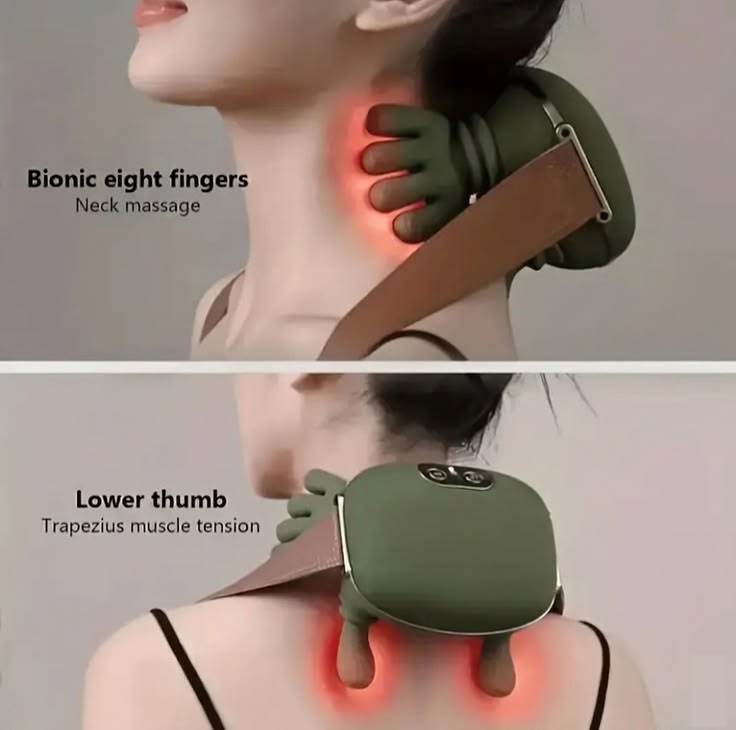
Evenings are when the body finally gets a chance to recover from the demands of the day. Yet for many people, stress doesn’t switch off just because work is over. Tight shoulders, stiff necks, and tired hands often carry the tension of hours spent working, typing, or commuting.
A structured evening routine using Hand neck massager therapy can help reset the body, calm the nervous system, and prepare for deeper rest. The goal is not just temporary relief, but a consistent recovery ritual that signals the body it is time to unwind.
Why Evening Recovery Matters
The body accumulates physical and mental tension throughout the day.
1. Muscle Fatigue Builds Up
Repeated posture strain and movement gradually tighten key muscle groups.
2. Nervous System Stays Activated
Stressful work or screen exposure keeps the body in a heightened alert state.
3. Circulation Slows Down
Long periods of inactivity reduce blood flow to muscles and joints.
4. Poor Recovery Leads to Next-Day Stiffness
Without evening reset routines, tension carries into the next day.
The Role of Hand and Neck Therapy in Evening Relaxation
Combining neck and hand massage targets both major tension zones of modern life.
Neck and Shoulder Therapy
Focuses on:
- Cervical muscle release
- Upper trapezius relaxation
- Posture correction support
Hand and Forearm Therapy
Focuses on:
- Wrist and finger relaxation
- Forearm muscle recovery
- Circulation improvement
Together, they create a full upper-body reset.
Step 1: Transition Into Relaxation Mode
Before using any device, the body needs a short transition period.
Simple Actions
- Dim lighting
- Reduce screen exposure
- Sit in a comfortable, supported position
This helps prepare the nervous system for relaxation.
Step 2: Start With Neck and Shoulder Therapy
Begin with the area that holds the most postural tension.
How to Use It Effectively
- Position nodes along the trapezius muscles
- Use moderate intensity at first
- Apply gentle heat if available
Why Start Here
Releasing neck tension first helps the entire upper body relax more easily.
Step 3: Move to Hand and Forearm Therapy
Once the upper body begins to loosen, shift focus to the hands.
Recommended Approach
- Use gentle compression or kneading mode
- Focus on palms, wrists, and forearms
- Maintain low to moderate pressure
Benefits
This reduces residual tension from typing, writing, or device use.
Step 4: Combine Breathing With Massage
Breathing plays a major role in full-body relaxation.
Simple Breathing Pattern
- Inhale slowly for a few seconds
- Exhale longer than inhale
- Maintain steady rhythm throughout the session
This helps the nervous system shift toward rest mode.
Step 5: Gradually Lower Intensity
As the session progresses:
- Reduce massage intensity
- Switch to gentler modes
- Allow muscles to settle into relaxation
This prevents overstimulation before sleep.
How Hand-Simulated Technology Enhances Evening Recovery
Modern devices use motion systems that mimic human touch.
1. Gentle Kneading Motion
Simulates thumb and palm pressure for natural relaxation.
2. Heat Integration
Soft warmth helps loosen muscles more quickly in the evening.
3. Variable Rhythm
Subtle changes in motion prevent sensory fatigue.
Why Combining Neck and Hand Therapy Works Best
1. Full Upper-Body Reset
Both primary tension zones are treated in one routine.
2. Improved Circulation
Massage helps restore blood flow after a long day of inactivity.
3. Nervous System Regulation
Simultaneous relaxation signals reduce stress response activity.
4. Better Sleep Preparation
A relaxed body transitions more easily into sleep.
Common Mistakes to Avoid
Using High Intensity Too Late
Strong stimulation before bed can keep the body alert.
Skipping Consistency
Irregular use reduces long-term effectiveness.
Using Devices While Distracted
Relaxation is more effective when attention is calm and focused.
Building a Sustainable Evening Routine
1. Keep It Short and Predictable
10–20 minutes is often enough for noticeable relaxation.
2. Use the Same Sequence Daily
Consistency helps the body recognize the unwind signal.
3. Combine With Light Stretching
Gentle movement improves flexibility after massage.
4. Avoid Immediate Return to Screens
Allow the body to remain in a relaxed state afterward.
Why Evening Therapy Improves Long-Term Wellbeing
Reduces Cumulative Tension
Daily release prevents chronic muscle tightness.
Improves Sleep Quality
Relaxed muscles and nervous system support deeper rest.
Enhances Next-Day Comfort
Less stiffness in the morning improves mobility and focus.
Final Thoughts
A structured evening routine using hand and neck therapy is more than just relaxation—it is a recovery strategy for modern lifestyles. By targeting both the hands and neck, this approach addresses the most common sources of daily strain and helps the body transition into a calmer, more balanced state.
When practiced consistently, it becomes a simple but powerful ritual that reduces stress, improves sleep readiness, and restores physical comfort at the end of each day.
