

Understanding Recovery After Knee Surgery
Recovery after knee surgery is a gradual process that requires patience, care, and consistent support. Whether the procedure involved ligament repair, meniscus treatment, or joint realignment, the tissues around the knee undergo significant stress and need time to heal properly.
In the early stages, swelling, stiffness, and reduced mobility are common. As healing progresses, the focus shifts toward restoring circulation, improving flexibility, and rebuilding comfortable movement patterns.
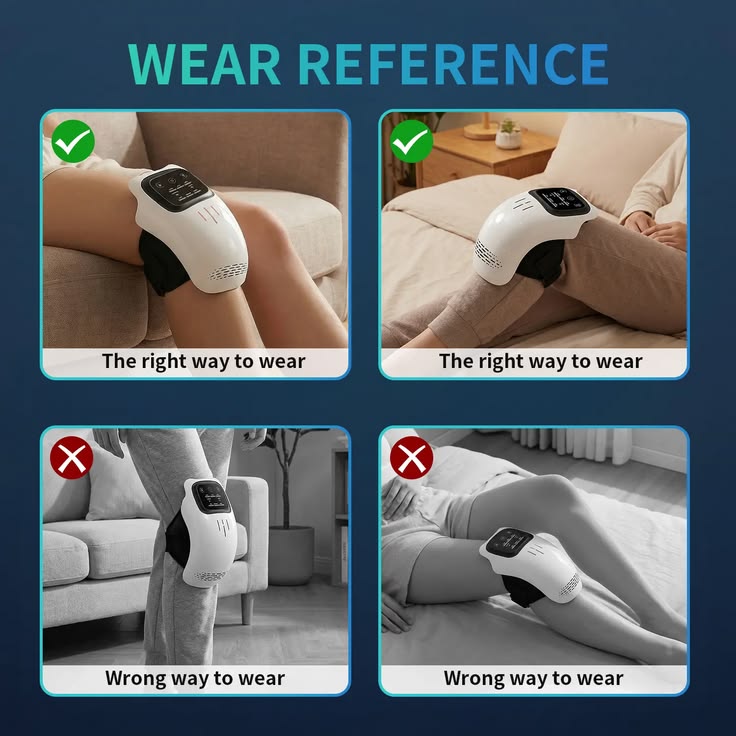
This is where gentle recovery tools like a knee massager uk can play a supportive role when used appropriately and at the right stage of healing.
Why Post-Surgery Knees Need Special Care
After surgery, the knee is more sensitive than usual. Muscles surrounding the joint may become tight due to limited movement during recovery, while fluid buildup can contribute to swelling and stiffness.
Reduced activity also slows circulation, which can delay healing and make the knee feel heavy or restricted. Without proper stimulation, stiffness can persist longer than necessary.
Because of this, controlled and gentle support becomes important for restoring comfort and mobility over time.
The Role of Circulation in Healing
Healthy circulation is one of the most important factors in post-surgery recovery. Blood flow delivers oxygen and nutrients to healing tissues while helping remove waste products that can slow recovery.
When circulation is limited, stiffness and swelling can become more noticeable. Encouraging gentle blood flow helps create a better environment for tissue repair and flexibility restoration.
A knee massager can assist in this process by providing light, controlled stimulation to the surrounding muscles.
How a Gentle Knee Massager Supports Recovery
A gentle knee massager works by applying low-intensity heat, mild compression, or soft vibration to the area around the knee joint. The goal is not deep pressure but careful, controlled stimulation.
This helps relax tight muscles such as the quadriceps, hamstrings, and calves, which often become stiff during recovery due to reduced movement.
As these muscles loosen, pressure on the knee joint decreases, making movement feel smoother and less restricted.
Reducing Post-Surgical Stiffness Safely
Stiffness is one of the most common challenges during recovery. Limited movement after surgery can cause the knee to feel tight or locked, especially after long periods of rest.
A gentle knee massager helps reduce this stiffness by encouraging mild tissue activation. Heat therapy improves flexibility, while light compression or vibration supports circulation.
When used correctly and at the appropriate stage of recovery, this combination can help the knee regain mobility more comfortably.
Supporting Swelling Management
Swelling is a natural part of the healing process, but excessive fluid buildup can slow recovery and increase discomfort.
Gentle compression from a knee massager can help support lymphatic flow, which assists in moving excess fluid away from the joint area. This may help reduce the feeling of heaviness and improve comfort during movement.
It is important that the pressure remains mild and controlled, especially in post-surgical situations.
Restoring Confidence in Movement
After surgery, many individuals experience hesitation when moving the knee due to discomfort or fear of pain. This can lead to reduced activity, which may slow recovery.
A gentle knee massager helps ease this transition by improving comfort and reducing stiffness, making movement feel more manageable over time.
As mobility improves, confidence in walking, bending, and daily activities gradually returns.
A Gradual Approach to Rehabilitation Support
Post-surgery recovery should always be gradual. A knee massager is not meant to replace medical treatment or physical therapy but to complement it during later stages of rehabilitation.
Short, low-intensity sessions are typically sufficient. As healing progresses, usage can be adjusted based on comfort and professional guidance.
Consistency is more important than intensity, especially during recovery.
When to Use a Knee Massager After Surgery
Timing is critical. A knee massager should only be used once a healthcare professional confirms it is safe to begin gentle external stimulation.
In later recovery stages, it can be used to support mobility, reduce stiffness, and improve comfort after physical therapy sessions or light activity.
Each session should remain gentle and should never cause pain or irritation.
Safety First in Post-Surgical Care
Safety is the most important factor in post-surgery recovery. The knee should never be exposed to high pressure or intense stimulation during early healing stages.
Users should always follow medical advice and use the lowest intensity settings available. If discomfort increases, use should be paused immediately.
The goal is support, not stress on the healing joint.
Conclusion
Recovering from knee surgery requires a careful balance of rest, rehabilitation, and gradual movement. As healing progresses, restoring circulation and reducing stiffness becomes essential for regaining mobility.
A gentle knee massager can support this process by improving blood flow, relaxing surrounding muscles, and helping reduce stiffness in a controlled and safe way.
When used responsibly and at the right stage of recovery, it becomes a valuable tool for accelerating healing and helping individuals return to comfortable, confident movement.
